热刺虽然输掉了比赛,但他们在混乱的比赛中显现出了团结
- 时间:
- 浏览:20
- 来源:足球球星专访
The Athletic recently published a feature article examining the complex dynamics behind Tottenham Hotspur's recurring home defeats. The piece highlights that despite the team's persistent poor form and mounting doubts over manager Thomas Frank, the "siege mentality" sparked by two red cards in the match against Liverpool unexpectedly fostered a rare moment of unity among fans, players, and the coach. Whether this cohesion in adversity can mark a turning point in the season remains an open question.
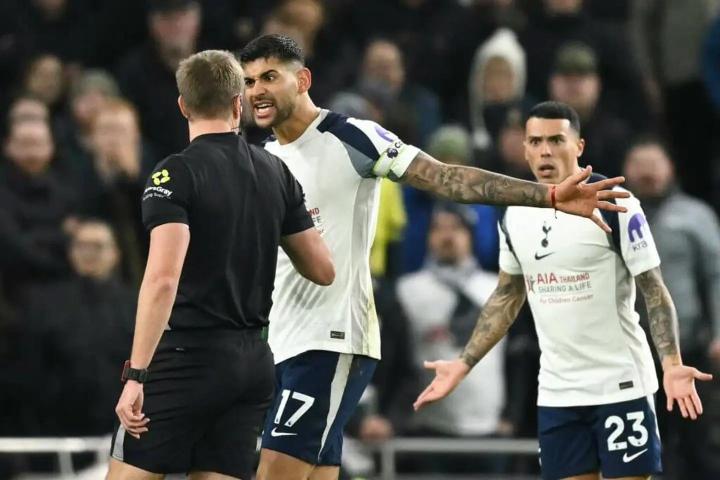
Tottenham's current campaign has been lacking in numerous aspects—the fluidity of winning performances, hard-earned home victories, player confidence, and unstoppable momentum. More concerningly, in recent weeks, the sense of solidarity among supporters, the squad, and the head coach has repeatedly been on the verge of collapse.
They did not reclaim all those missing elements on Saturday night. It was yet another home league loss—their fifth this season and eleventh since 2025—leaving them mired in the bottom half of the Premier League table. Many questions regarding manager Thomas Frank and his methods remain unanswered.
One thing, however, was clear: when the nine-man Spurs side fought desperately for an equalizer as the clock ticked past the 101st minute, and when Alisson denied Pedro Porro's attempt before parrying Wilson Odobert's cross, a genuine feeling of shared purpose was unmistakable. At that moment, everyone associated with Tottenham was undoubtedly pulling in the same direction.
Even after the final whistle, most Tottenham players and Frank stayed on the pitch, applauding the fans in the stands. A large number of home supporters, particularly the loyal fans in the South Stand, remained in place, responding with applause for the team's relentless effort. The only anger was directed toward the match officials—the dismissals of Harvey Simmons and Cristian Romero proved difficult for the fans to accept. This warm scene contrasted sharply with the silence and frustration following home defeats to Chelsea and Fulham last month.
Much of the focus this season has revolved around the fans, their conduct, and the evolving relationship with the players and the new manager. Such debates rarely occur at clubs that are happy, successful, and united.
Frank has been outspoken, stating that "true fans" would not boo goalkeeper Guglielmo Vicario, or that "loyal supporters" would maintain a "long-term view" of the project he is trying to build. While these views are understandable from his perspective, they are also the type of remarks that can unsettle supporters. Fans do not wish to be judged or categorized by their manager. What they desire most is performances worthy of celebration. For much of this season, they have simply been seeking something—anything—to believe in.
The worst outcome for Tottenham on Saturday would have been another display where they stood idly by, allowing the game to pass them by. Such scenarios have occurred too often this year, particularly in home losses to Bournemouth or Chelsea, and away matches against Arsenal and Nottingham Forest.
Instead, Spurs approached this match with greater purpose and positivity. They pushed forward and created opportunities. Randal Kolo Muani had a decent headed chance but could not beat Alisson. Half an hour in, it felt as though Tottenham held a slight edge in a closely contested encounter.
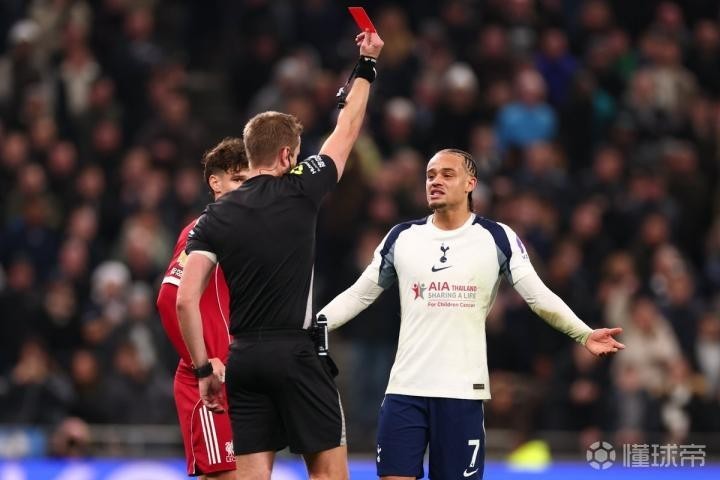
Naturally, Simmons' red card altered everything. With nearly two-thirds of the match remaining, Spurs were down to ten men. They were forced to defend deep and attempt to hit Liverpool on the counter. They found some promising positions but failed to capitalize. However, the dismissal also shifted the atmosphere. Had it remained eleven versus eleven, the match might have been viewed as another referendum on Frank, his tactics, and a perceived lack of adventurous spirit.
Yet with Simmons sent off, a sense of injustice took hold among players and fans, fostering a collective defiance. Supporters made their feelings about the decision abundantly clear. They rallied behind the players, applauding their determined effort. This no longer felt like another public verdict on Frank and his approach.
Thus, even after Liverpool scored twice in the second half, the home crowd continued to back the team. Often when a match seems lost, fans grow quiet. But on this occasion, the Tottenham supporters grew louder and more encouraging. The team responded in kind. Sensing vulnerability in Liverpool's game management, they persistently pushed the ball forward, pressed the red shirts, and sought to draw fouls, even if doing so risked leaving Spurs exposed. It might have been easier for Porro and Djed Spence to retreat into a defensive shell, but both seized every opportunity to drive forward.
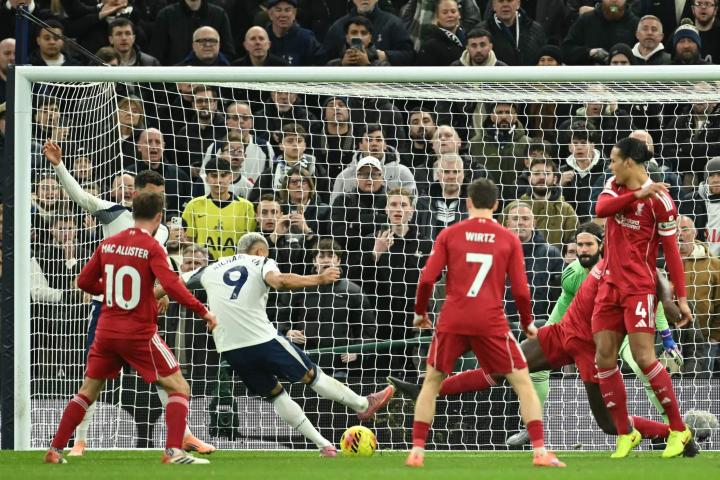
Spurs did manage to score a goal through Richarlison in a scramble, and there were moments where a different bounce of the ball or an outstretched boot might have brought an equalizer. It was not to be, however, so this would end in another defeat. Yet the fact that the match remained in the balance until the final moments will offer Frank some consolation. Many will recall the corresponding fixture around this time last year. Liverpool won 6-3 and, honestly, could easily have reached double figures. At least this rematch was not of that nature.
It was the unique context of this match—the controversial red cards, the players' all-out effort, and their refusal to surrender—that set this defeat apart. It was entirely different from the losses to Bournemouth, Chelsea, and Fulham, those suffocating setbacks that no one wishes to relive. Frank will undoubtedly hope that the unity displayed in the closing stages can guide Tottenham out of their slump and toward a brighter phase in the new year.
Yet the issue is that all the questions surrounding this team and this season—the core concerns about tactical style and approach—have merely been deferred, not resolved. Even if this defeat can be excused by exceptional circumstances, external patience will not last indefinitely. Demands for more convincing displays, proactive football, and more victories will soon resurface, particularly in home matches.
If Frank can guide the team to achieve this in 2026, all debates regarding stadium atmosphere and fan relations will become irrelevant. But the answers must ultimately be delivered on the pitch.